Vertical Axis Wind Turbine status of activities and future steps RECOGNITION
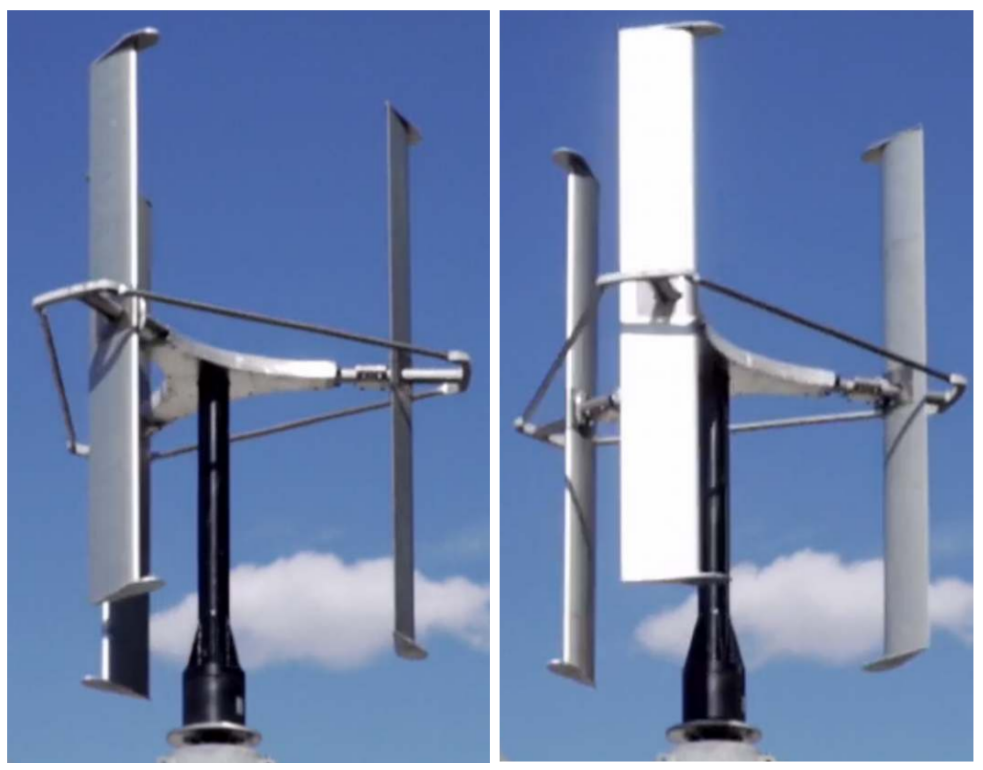
Vertical axis wind turbines, or VAWTs, differ from traditional horizontal axis wind turbines (HAWTs) in the orientation of the rotor and blades. While this technology is long-established and offers flexibility for small-scale installations, it has received less attention in research due to its inherently lower efficiency compared to HAWTs.
Building a Vertical Axis Wind Turbine ( VAWT ) 11 Steps (with Pictures) Instructables

A vertical-axis wind turbine ( VAWT) is a type of wind turbine where the main rotor shaft is set transverse to the wind while the main components are located at the base of the turbine. This arrangement allows the generator and gearbox to be located close to the ground, facilitating service and repair. VAWTs do not need to be pointed into the.
LEv50 Extreme vertical axis wind turbine providing offgrid power
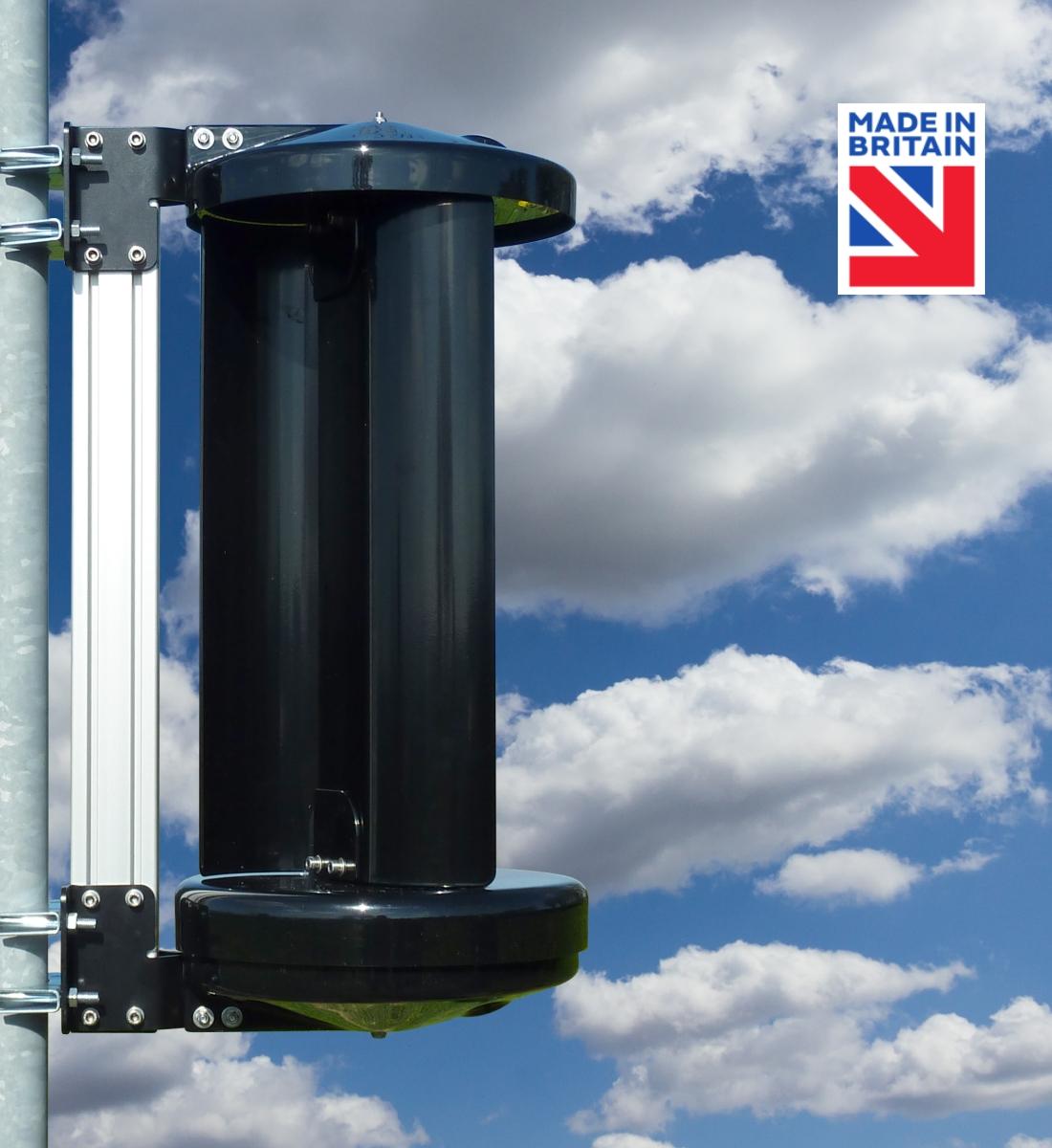
The first automatically operated wind turbine, built in Cleveland in 1887 by Charles F. Brush. It was 60 feet (18 m) tall, weighed 4 tons (3.6 metric tons) and powered a 12 kW generator.
Vertical axis wind powered generator resources post. VAWT have

The modern Vertical Axis Wind Turbine (VAWT) has significant engineering design differences from the HAWT, but its look is also quite different. A VAWT often looks like a giant egg-beater pointed toward the sky, although there are many variations on the VAWT design. Advantages of VAWTs. Vertical Axis Wind Turbines were developed to address and.
Vertical Axis Wind Turbine For Home Engineering's Advice
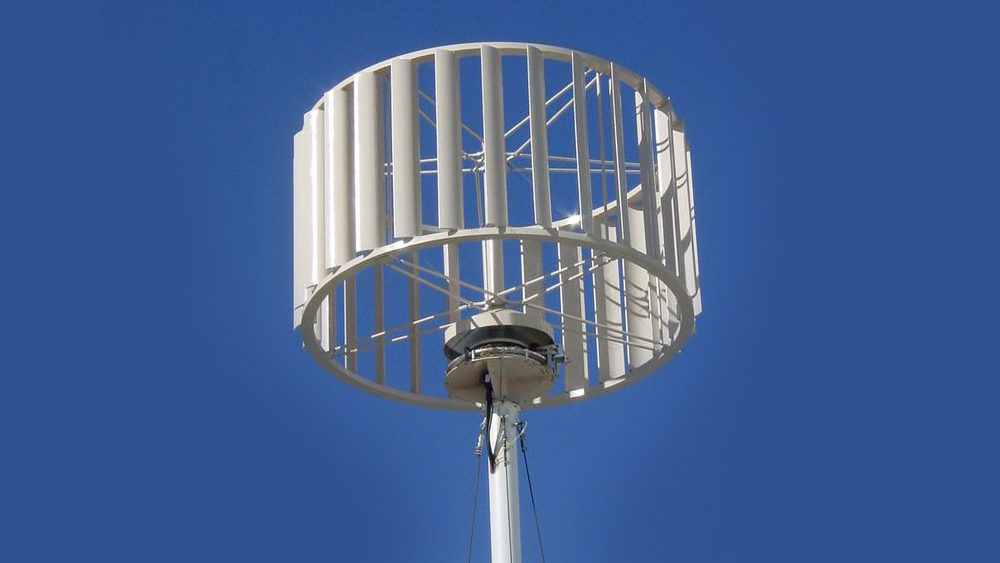
Fig. 2: A modern vertical axis wind turbine. (Source: Wikimedia Commons) An alternative to the horizontal axis wind turbine is the vertical axis wind turbine (VAWT), such as that shown in Fig. 2. While the concept of the VAWT (much like the HAWT) is not a modern development, large scale commercial VAWTs came out of research at Sandia National.
400W 12V 24V VAWT Lantern Type 5 Blades Vertical Axis Wind Turbine Generator

It's a vertical-axis wind turbine (VAWT), a spinning cylinder as opposed to the windmill-like horizontal axis wind turbines (HAWTs) conventionally used today. VAWTs are a promising technology for.
China Vertical Axis Wind Turbine Generator/Alternator (VAWT 300W, 500W, 1KW, 2KW, 5KW, 10kw

Savonius Vertical-Axis Wind Turbine. The Savonius vertical-axis wind turbine uses cups, called scoops, instead of blades to capture wind power. Figure 5 shows an example of a Savonius vertical-axis wind turbine. When the wind blows, it creates a positive force in the scoop and a negative force on the back side of the scoop.
10 Examples of Wind Energy with Advantages in 2023 Linquip
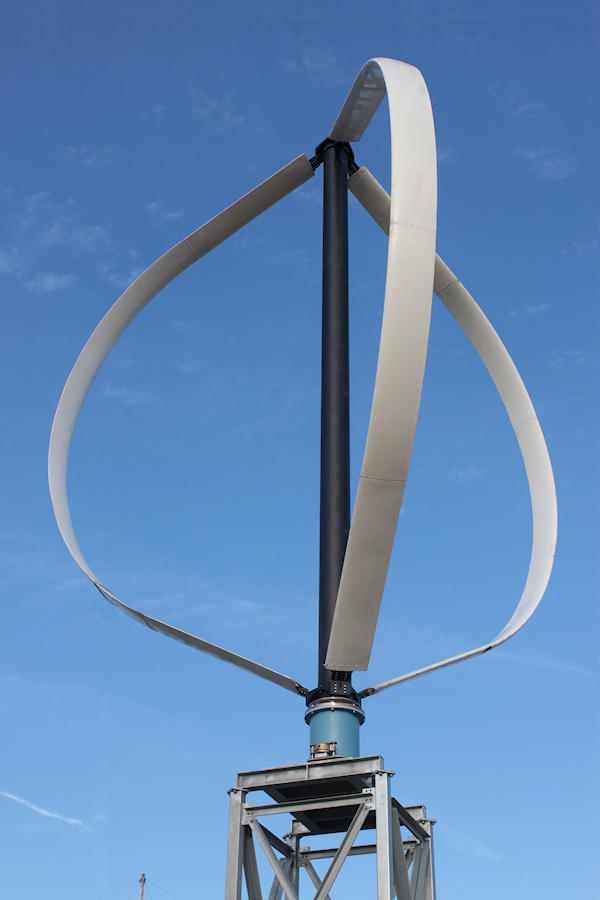
However, a number of different styles/types of turbines exist and the way in which they harness kinetic energy from the wind is quite different. The two main types of turbines are Horizontal-axis Turbines (HAWT) and Vertical-axis turbines (VAWT). HAWT have the rotating axis oriented horizontally. They typically feature 3-blades and are designed.
500W 12V/24V Vertical Axis VAWT Helix Wind Generator Wind Turbine Kit Low RPM Generator For

This wind turbine calculator is a comprehensive tool for determining the power output, revenue, and torque of either a horizontal-axis (HAWT) or vertical-axis wind turbine (VAWT). You only need to input a few basic parameters to check the efficiency of your turbine and how much it can earn you. You can use our tool as either a HAWT or a VAWT.
Sandia National Laboratories News Releases Offshore use of verticalaxis wind turbines gets
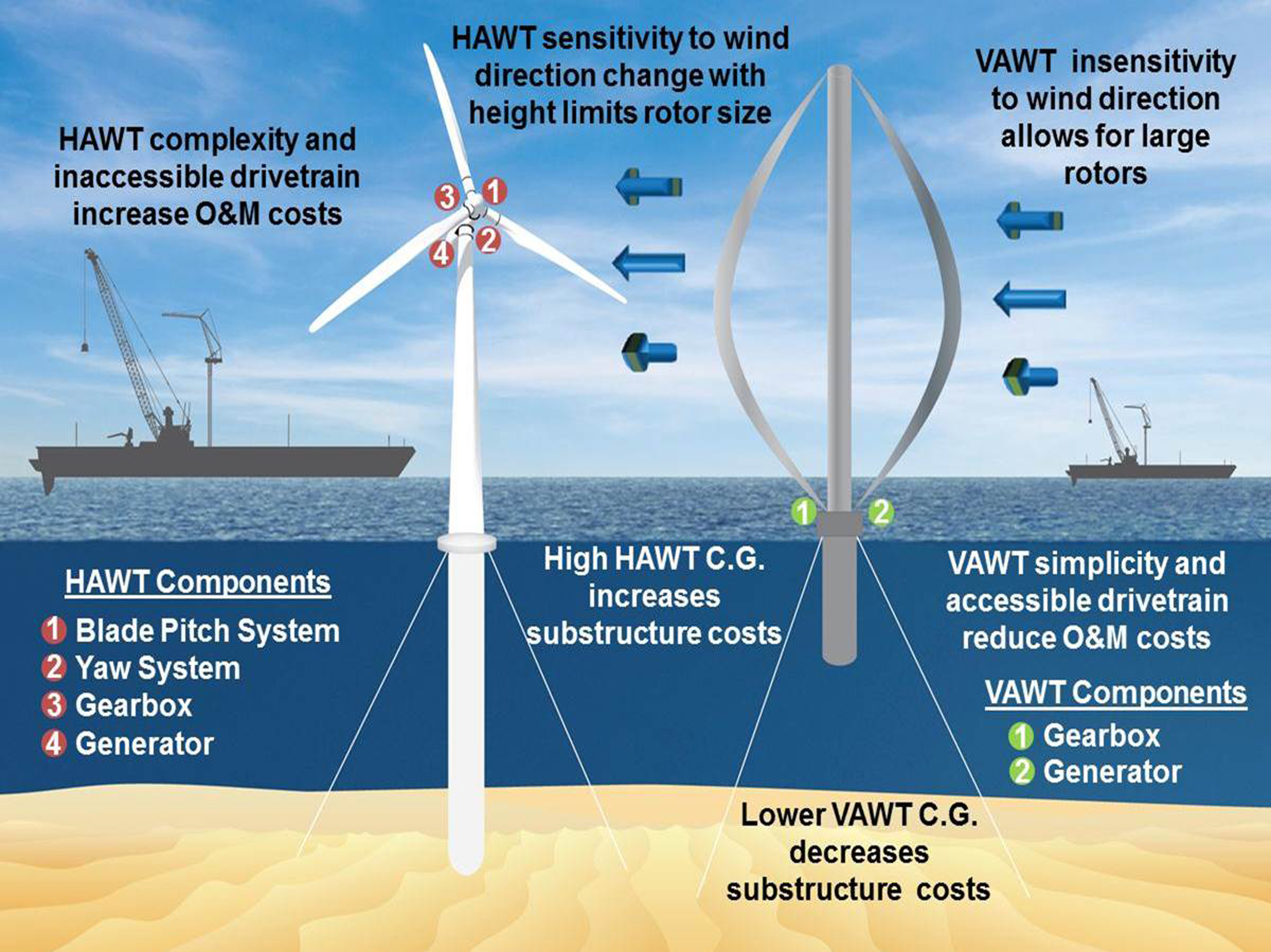
Profitable energy generation with Vertical Axis Wind Turbines (VAWTs) has been a bit of a 'holy grail' for alternative energy experts for decades. The obvious advantages of VAWT over the horizontal axis wind turbines (HAWT) in many applications have driven the search for a workable technology.
VAWT VERTICAL AXIS WIND TURBINE ELECTRICITY GENERATORS
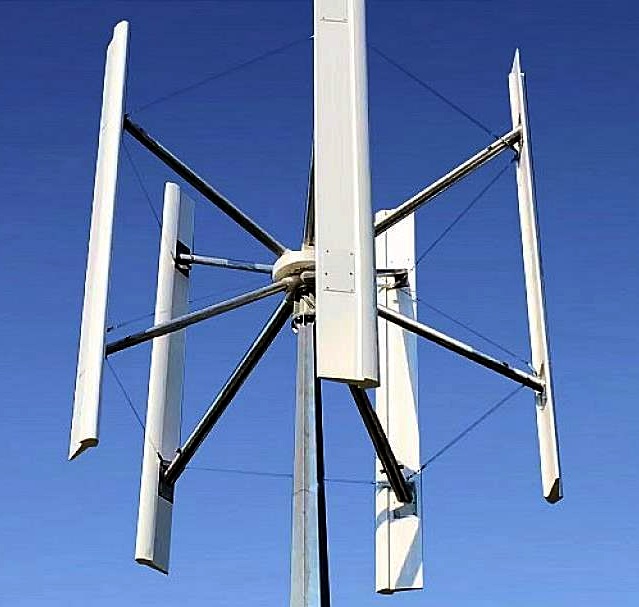
The Vertical Axis Wind Turbine is commonly used for homes to produce renewable energy. It has a vertical rotor shaft with two or three blades that move up and down. The generator is at the bottom of the tower, and the blades are around the shaft. Wind turbines are devices used to convert wind energy into electricity, and they come in different.
Vawt New Design Vertical Axis Wind Turbine China 1kw Wind Turbine for Sale 1kw Solar Wind

Vertical Axis Wind Turbine. The savories VAWT is the sort of Vertical Axis Wind Turbine that is used in this particular system. Gear Box. The primary function of a gearbox in a wind turbine is to increase the rotational speed of a low-speed shaft so that it may connect to a high-speed shaft that is connected to an electrical generator. Because.
500W 12V/24V Vertical Axis VAWT Helix Wind Generator Wind Turbine Kit For Rooftop,Camping,Boat
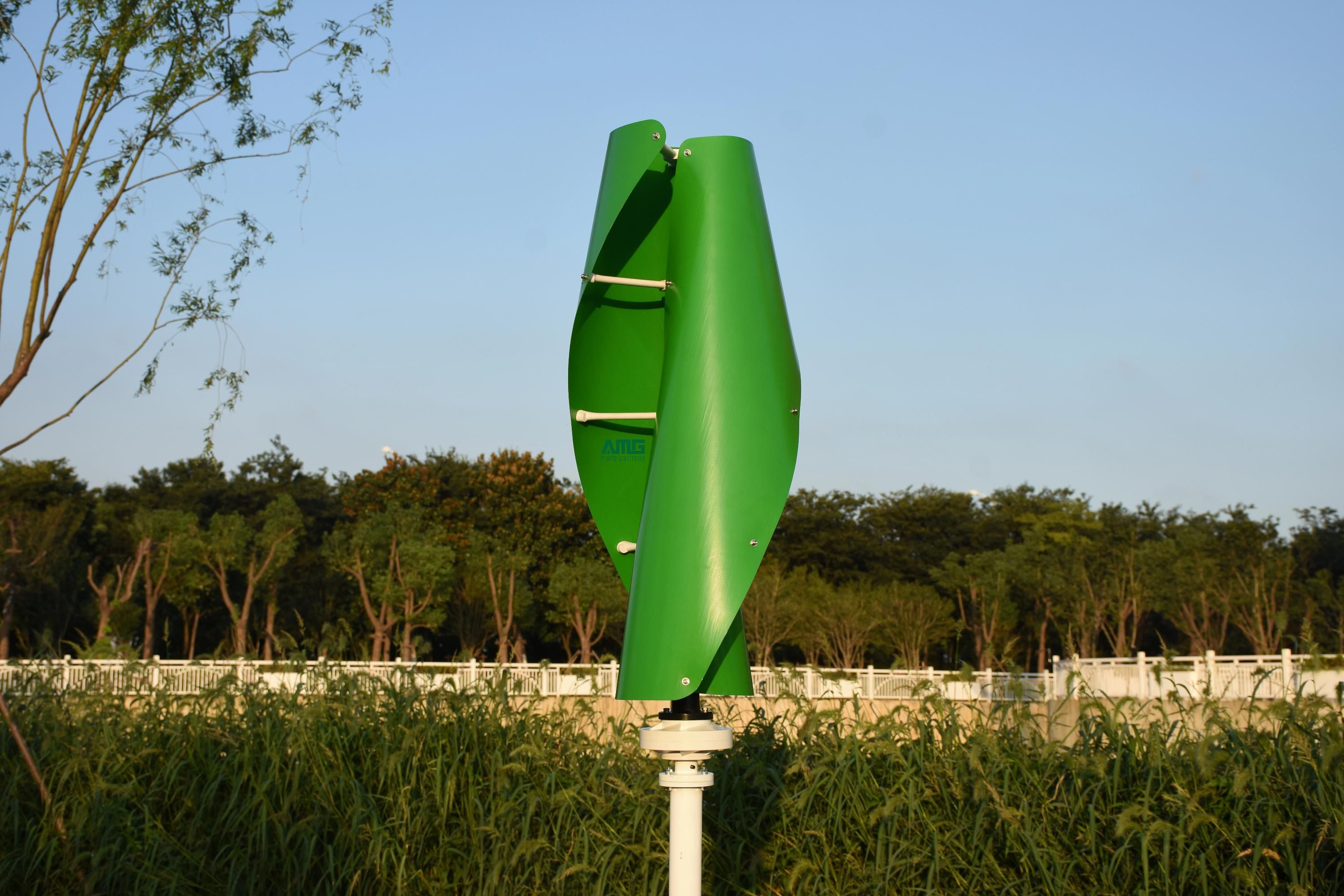
To advance the design of a multimegawatt vertical-axis wind turbine (VAWT), application-specific airfoils need to be developed. In this research, airfoils are tailored for a VAWT with variable pitch. A genetic algorithm is used to optimise the airfoil shape considering a balance between the aerodynamic and structural performance of airfoils.
Helicoid vertical axis wind turbine AERO prop

Vertical Axis Wind Turbines Vertical Axis Wind Turbines - VAWT These turbines are optimised for tough and varied environmental conditions from high snowy altitudes to arid deserts and rugged terrain. As shown in any regional Wind Atlas, annual average winds will vary a lot from coastal to inland areas and are also affected by general […]
Squirrel cage VAWT Vertical wind turbine, Wind turbine, Vertical axis wind turbine

A vertical axis wind turbine (VAWT) is a type of wind turbine in which the axis of rotation of the rotor is perpendicular to the wind direction. The gearbox and generator are positioned at the base of the turbine, which makes maintenance easy. Since the rotor is perpendicular to the wind speed, no specific aerodynamics are required for the design.
VAWT Wind Turbine What Are The 3 Biggest Pros How To Make Turbine & Go Green With It

The Vertical Axis Wind Turbine (VAWT) has a much different profile. The blades are symmetrical and they are oriented vertically. This means they are always catching the best wind, and don't have to be artificially oriented to maximize electricity generation. The mechanical complexity of the VAWT is much less than the HAWT, reducing the need.