On Kandinsky's Horses Art Kandinsky, Wassily Kandinsky Paintings, Abstract Painters, Abstract

Wassily Kandinsky (born December 4 [December 16, New Style], 1866, Moscow, Russia—died December 13, 1944, Neuilly-sur-Seine, France) was a Russian-born artist, one of the first creators of pure abstraction in modern painting. After successful avant-garde exhibitions, he founded the influential Munich group Der Blaue Reiter ("The Blue Rider.
Der Blaue Reiter Painting by Wassily Kandinsky Fine Art America
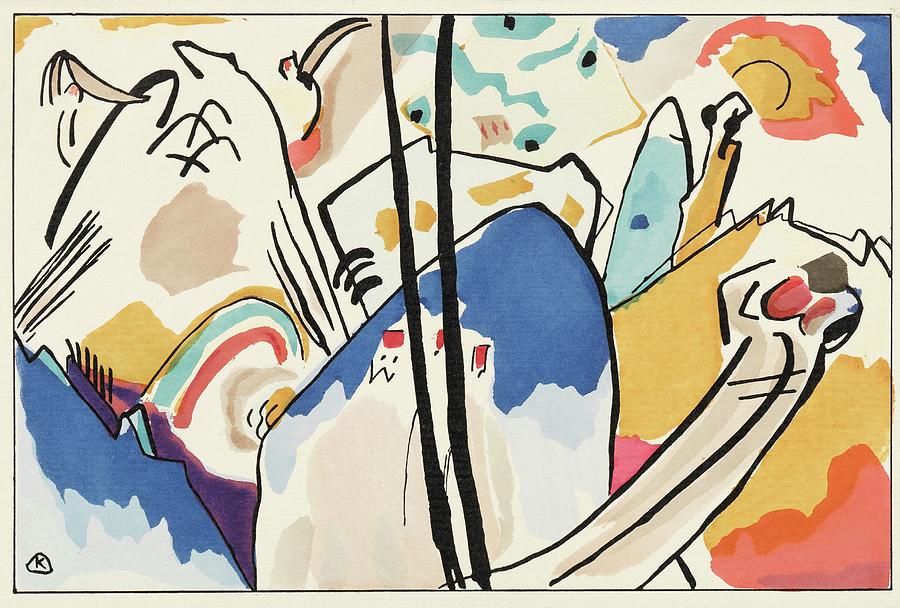
Der Blaue Reiter (The Blue Rider) A German Expressionist group founded in Munich in 1911 by Wassily Kandinsky and Franz Marc. Its membership, who shared an interest in expressing a spiritual dimension in painting, featured in an almanac of the same name published in 1912. The group dispersed with the onset of the First World War.
Neu Wassily Kandinsky Der Blaue Reiter

Der Blaue Reiter. Der Blaue Reiter ( The Blue Rider) was a group of artists and a designation by Wassily Kandinsky and Franz Marc for their exhibition and publication activities, in which both artists acted as sole editors in the almanac of the same name, first published in mid-May 1912. The editorial team organized two exhibitions in Munich in.
Kandinsky, Marc und der Blaue Reiter GERMAN Fondation Beyeler Shop
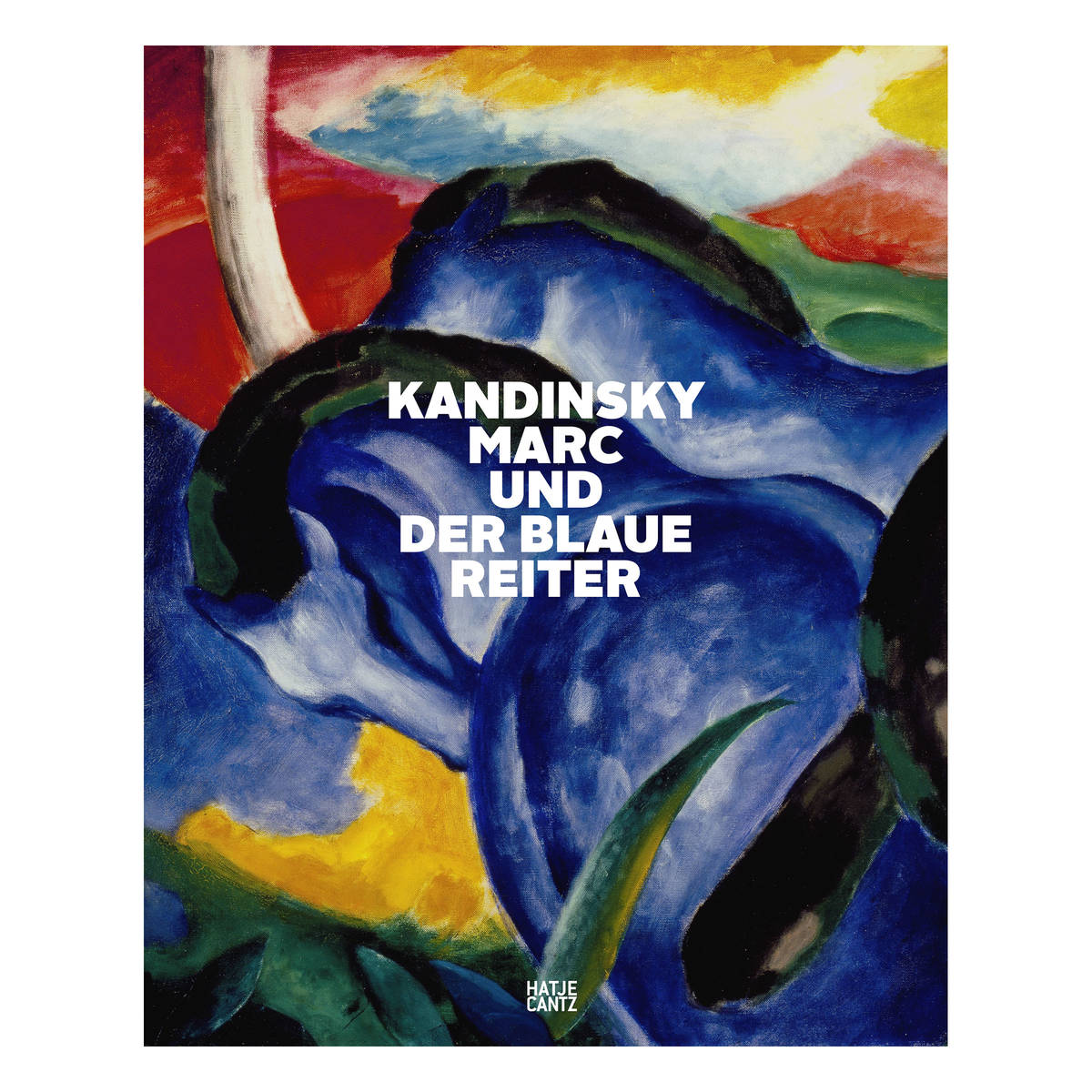
Der Blaue Reiter Almanac Cover by Wassily Kandinsky, Franz Marc, and Jean Arp, 1914, via Art Gallery of Ontario, Toronto. The "Blaue Reiter" Almanac is a collection of essays, illustrations, and musical scores that has become the basis for the group's objectives. On the cover of the book is the group's emblem of Saint George. The first edition included 1200 copies with 50 deluxe.
Der blaue Berg (W. Kandinsky, 19081909, Guggenheim Museum, New York) Kandinsky art, Wassily

Coedited by Franz Marc and Wassily Kandinsky, The Blaue Reiter Almanac ranks among the most important documents in the history of twentieth-century art. Re.
Der blaue Reiter Wassily Kandinsky als Kunstdruck oder handgemaltes Gemälde.
Der Blaue Reiter was formed in 1911 in Munich as a loose association of painters led by Vasily Kandinsky and Franz Marc. They shared an interest in abstracted forms and prismatic colors, which, they felt, had spiritual values that could counteract the corruption and materialism of their age. The flattened perspective and reductive forms of.
Der Blaue Reiter History, Characteristics, Artists Sotheby’s
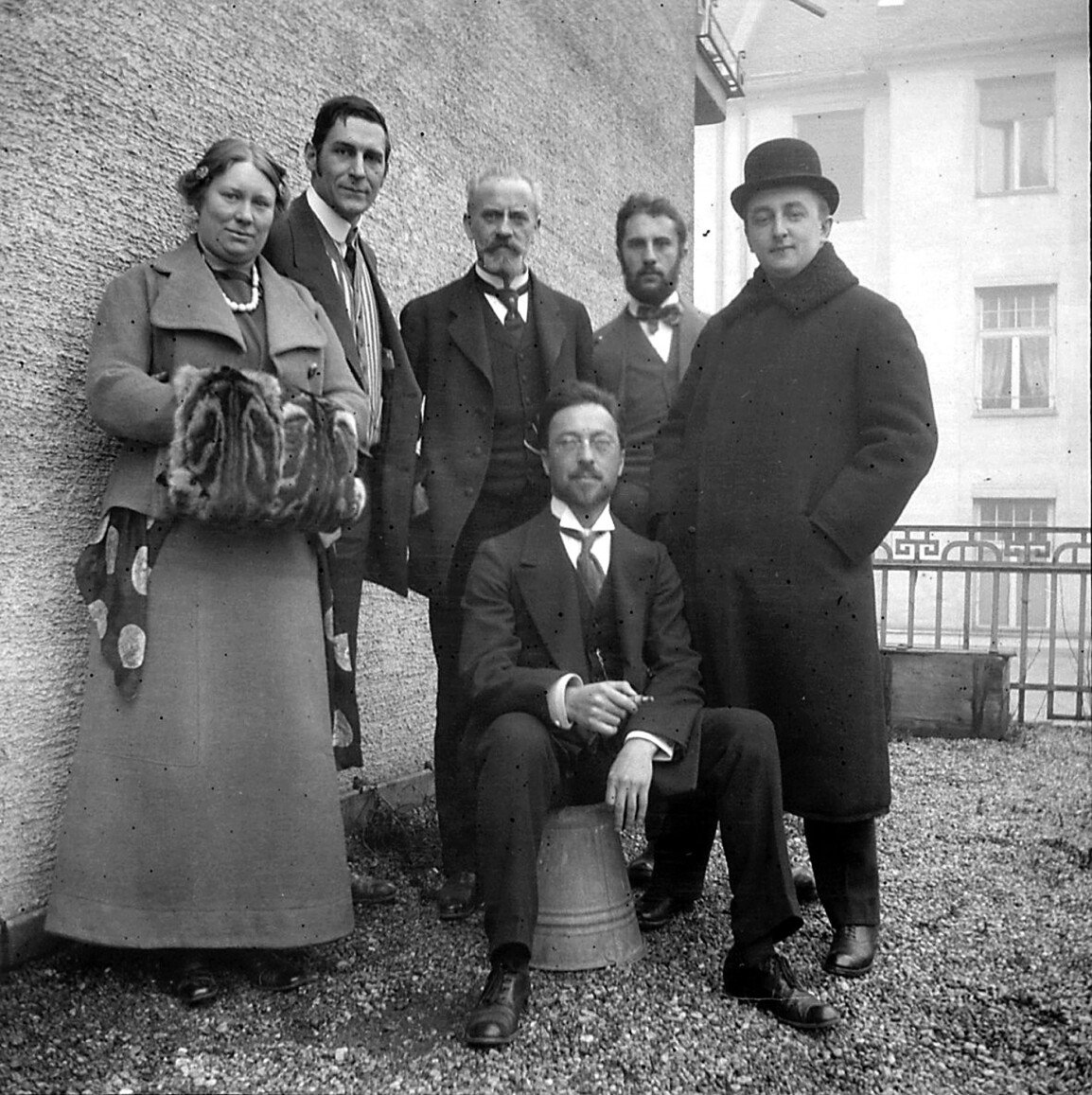
Der Blaue Reiter translates in English as The Blue Rider. A number of avant-garde artists living in Munich had founded the Neue Kunstler Vereiningung, or New Artist Association (N.K.V.). The most important of these were the Russian born Wassily Kandinsky and the German, Franz Marc. In 1911 Kandinsky and Marc broke with the rest of the N.K.V. and in December that year held in Munich the first.
Der Blaue Reiter y Kandinsky, ¿por qué es tan complejo entender a estos artistas?
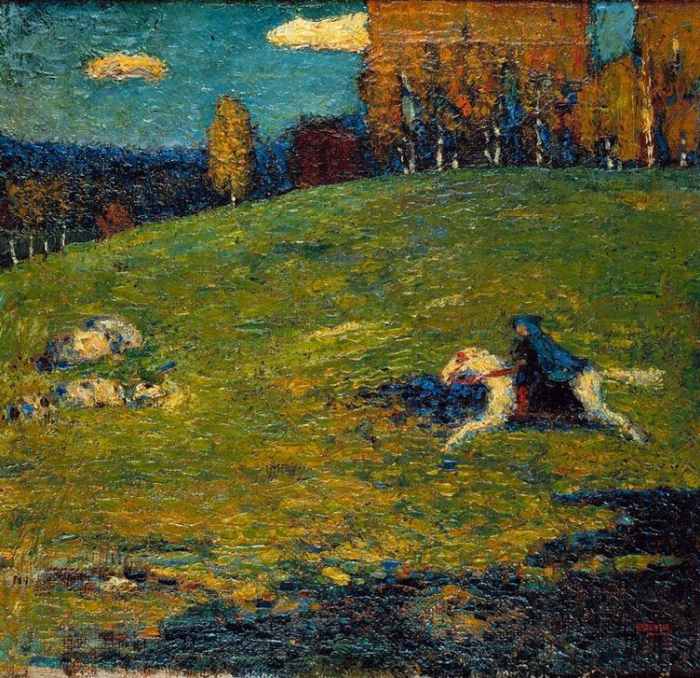
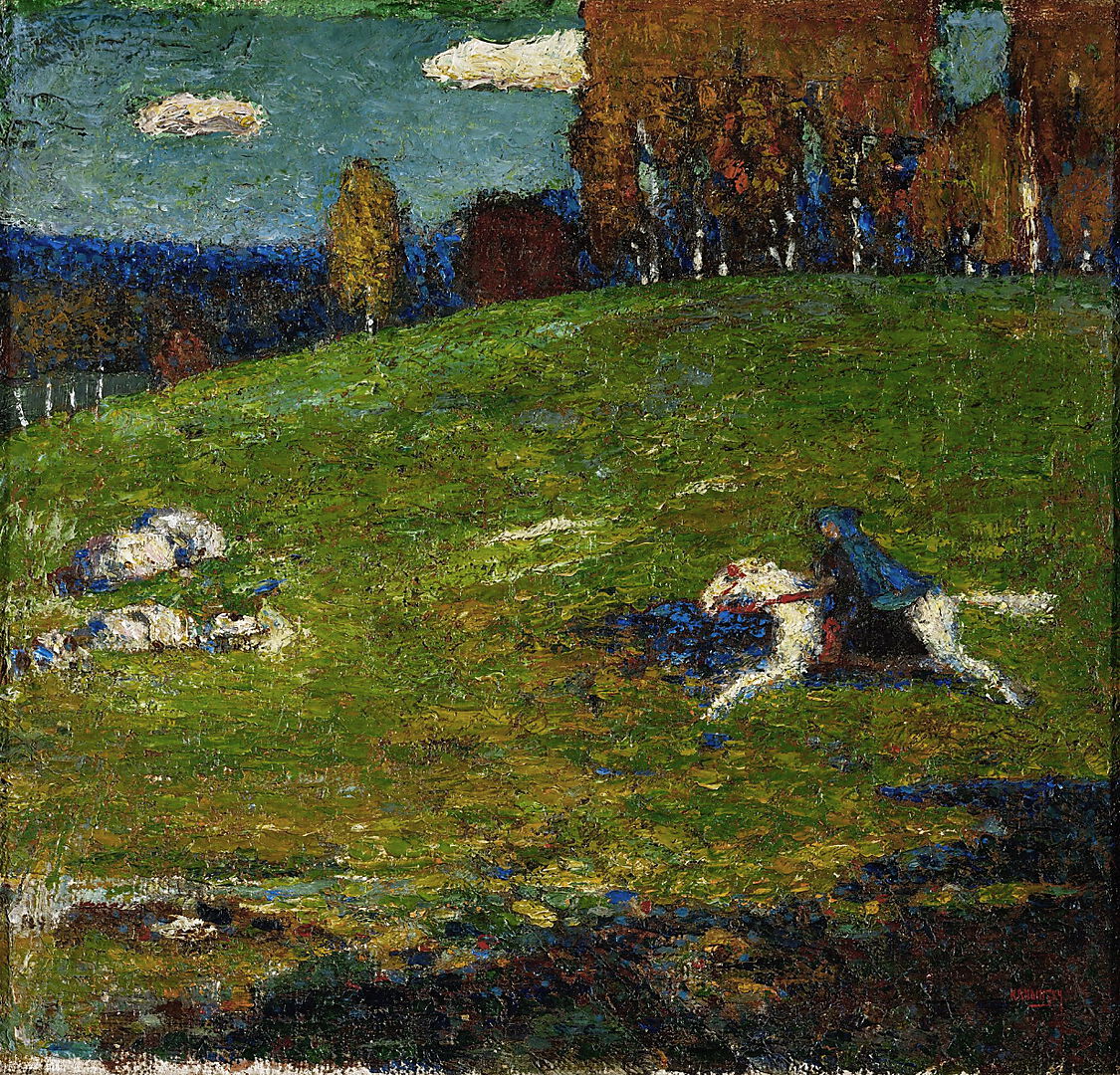
The Blue Rider, 1903 by Wassily Kandinsky. Perhaps the most important of Kandinsky's paintings from the first decade of the 1900s was The Blue Rider (1903), which shows a small cloaked figure on a speeding horse rushing through a rocky meadow. The rider's cloak is medium blue, which casts a darker-blue shadow.
Der Blaue Reiter Moderne Kunst verstehen!
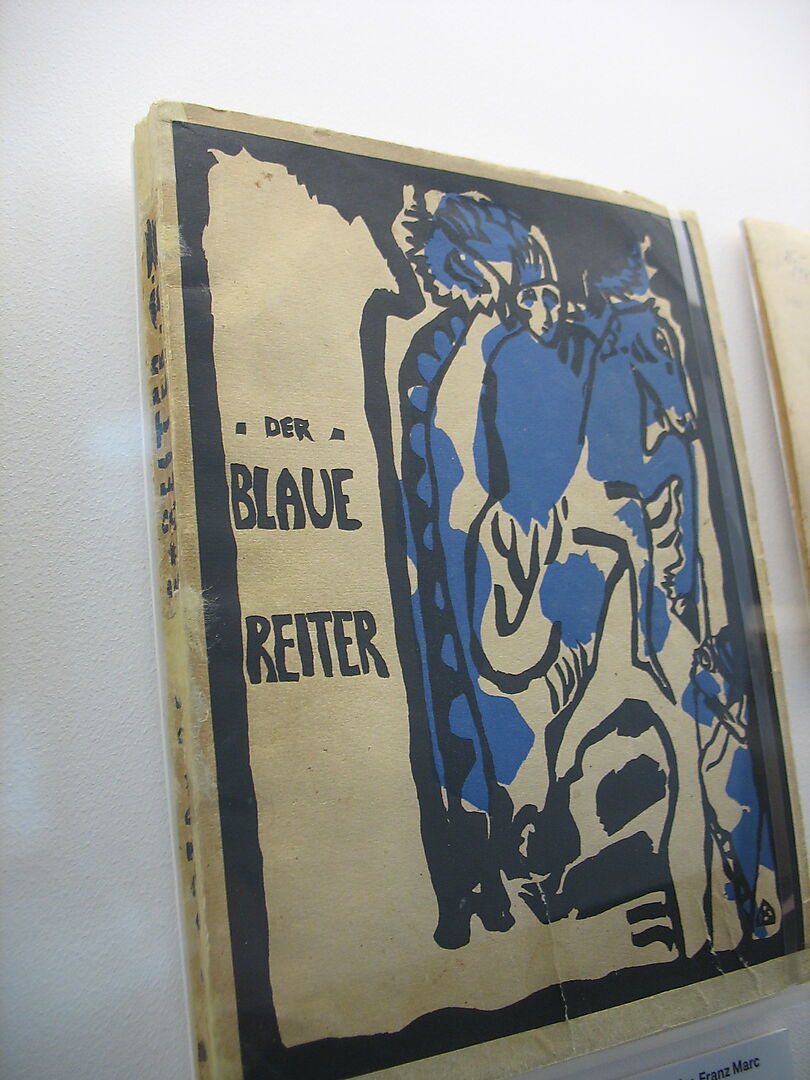
Der Blaue Reiter by Wassily Kandinsky, Franz Marc. Publication date 1965 Publisher R.Piper & Co. Verlag Collection inlibrary; printdisabled; internetarchivebooks Contributor Internet Archive Language German. Notes. Cut-off text on some pages due to tight binding. Access-restricted-item true
Der blaue Reiter Wassily Kandinsky als Kunstdruck oder handgemaltes Gemälde.

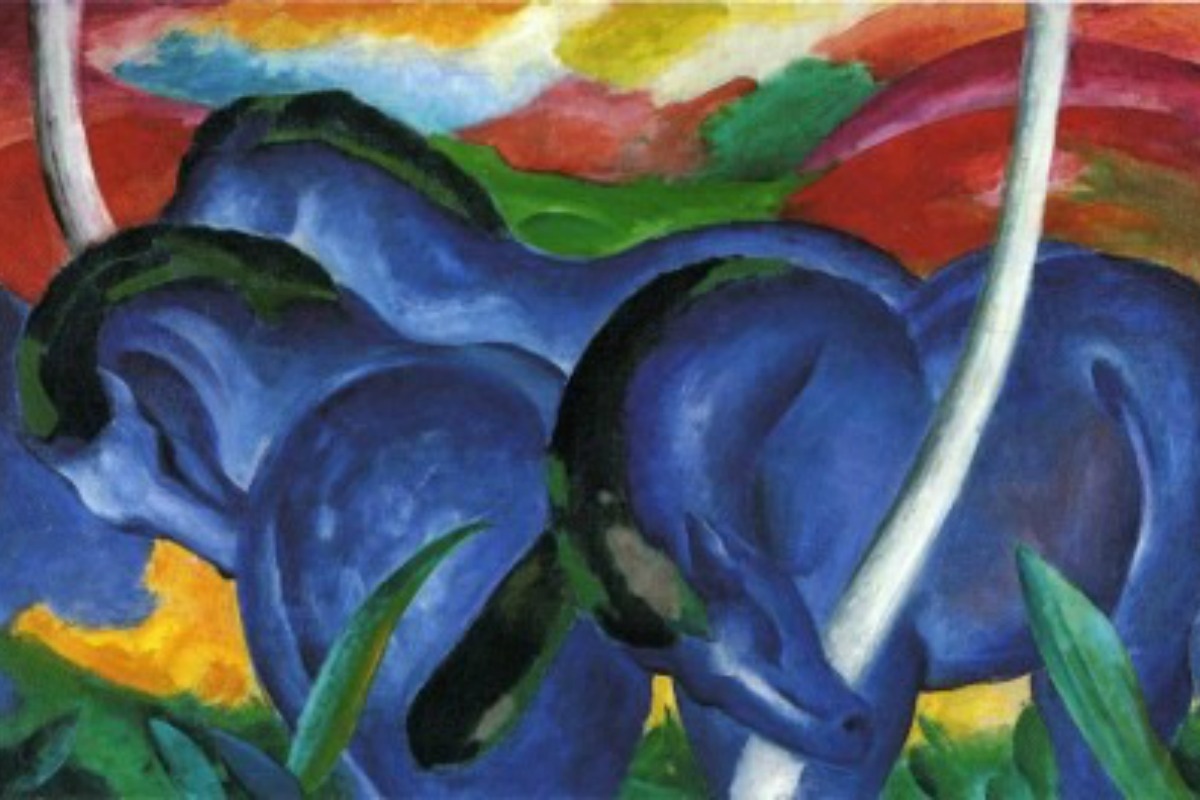
The name "Der Blaue Reiter" referred to Kandinsky and Marc's belief that blue was the most spiritual color and that the rider symbolized the ability to move beyond. In searching for a language that would express their unique approach to abstract visual form, the artists of Der Blaue Reiter drew parallels between painting and music.
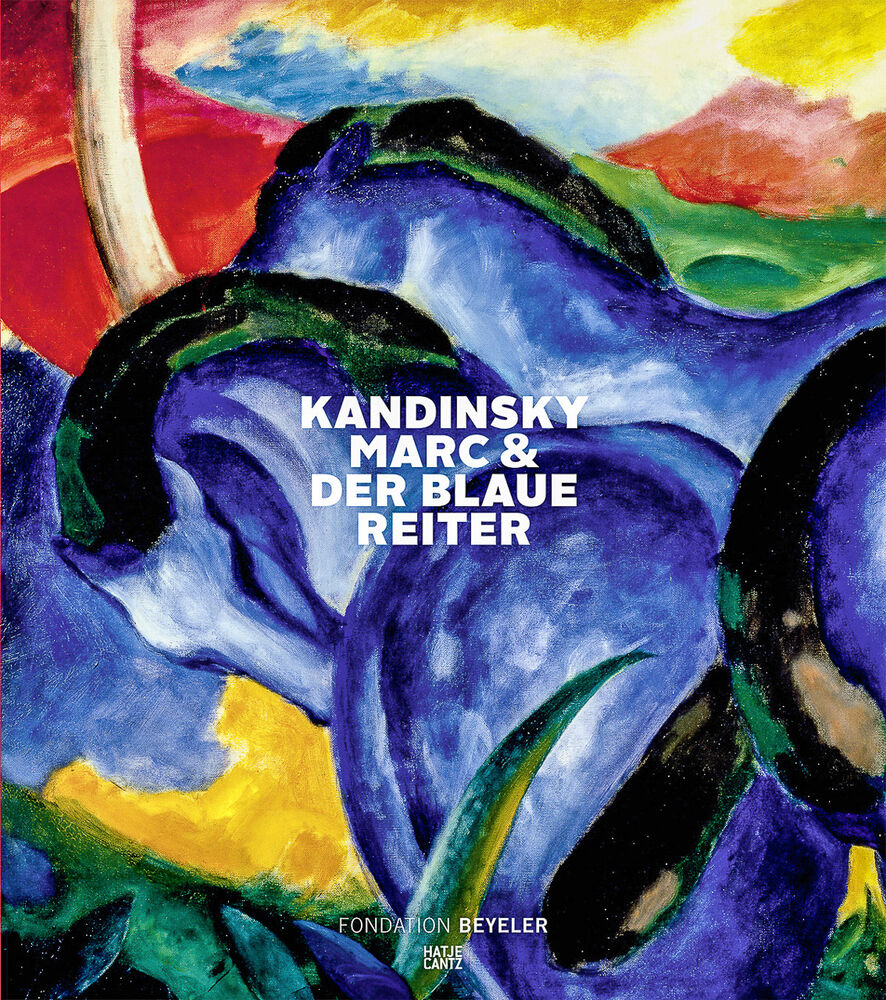
Kandinsky, Marc & Der Blaue Reiter. (English edition) / 38,00
Worum es geht. Im Mai 1912 publizierte die »Redaktion Der Blaue Reiter« in Gestalt von Wassily Kandinsky und Franz Marc den Almanach »Der Blaue Reiter« im Verlag von Reinhard Piper in München. Für den Umschlag schuf Kandinsky einen Farbholzschnitt, der den kämpfenden Reiter in Gestalt des heiligen Georg zeigt, der gegen das Böse, das.
Neu Wassily Kandinsky Der Blaue Reiter

Wassily Wassilyevich Kandinsky (16 December [O.S. 4 December] 1866 - 13 December 1944) was a Russian painter and art theorist.. As the Der Blaue Reiter Almanac essays and theorising with composer Arnold Schoenberg indicate,.
Der blaue Reiter, Kandinsky. Kandinsky, Three Dimensional, Painting, Art, Horseback Riding, Art

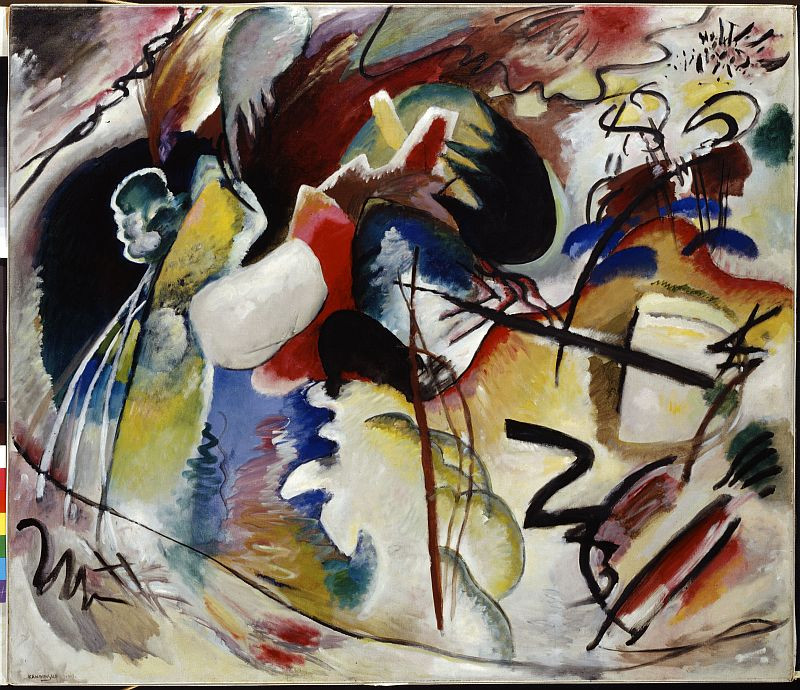
Wassily Kandinsky's Composition VII is a masterpiece that encapsulates the essence of the Der Blaue Reiter movement and its groundbreaking approach to abstract art. Created in 1913, this monumental canvas is a complex interplay of color, form, and spirituality.
Der Blaue Reiter Moderne Kunst verstehen!
Date: 1911 - 1914. Areas Of Involvement: abstract art. Der Blaue Reiter, organization of artists based in Germany that contributed greatly to the development of abstract art. Neither a movement nor a school with a definite program, Der Blaue Reiter was a loosely knit organization of artists that organized group shows between 1911 and 1914.
Kandinsky en Der Blaue Reiter Kunstmuseum Den Haag
The Blue Rider (German: Der Blaue Reiter) is an oil painting executed in Bavaria in 1903 by the Russian emigré artist Wassily Kandinsky.It is now held in a private collection in Zürich, and shares its name with an almanac and the art movement he would co-found with Franz Marc in the early 1910s.
Bildergebnis für kandinsky der blaue reiter Kuhkunst, Kunst ideen, Kuh zeichnung

The varied content of Der Blaue Reiter reflects Kandinsky's desire to break down walls between the visual arts and music, theater, folk art, children's art, and ethnography. In addition to essays by Kandinsky, Marc, August Macke, and other German and Russian artists, Der Blaue Reiter included Kandinsky's stage composition Der gelbe Klang (The Yellow Sound) and musical compositions by Arnold.